






Book Of Dead

Book Of Dead Slot Review In France

Book Of Dead analysis for players in France: rules, pace, budget and pause tools to play serenely.

Book Of Dead demo
reviews image 1
Book Of Dead

What Makes Book Of Dead Popular In France

Imagine you're looking for a slot that's "easy to understand," without spending an hour reading rules. You spin a few times, quickly spot the grid, and already know if the pace suits you. It's often this clear first contact that explains the title's appeal.

The theme and staging are easy to follow, but the real hook is the balance between immediate readability and tension. You can play calmly, or get carried away if you don't have a plan. That's why a good session starts before the first spin, not after.

In France, the game is accessible via platforms offered under applicable rules and reserved for adults. In practice, this translates into concrete actions: setting a time limit, defining a closed budget, and knowing the location of pause tools before depositing.

Many players ask the wrong question. They ask "am I going to win?", when they should be asking "can I stay in control for 20 minutes?". If your answer is yes, the game remains entertainment. If your answer is "I don't know", start with a short test session, then decide.

Book Of Dead

Top casinos for playing Book Of Dead — current list

ALF Casino

ALF Casino

Mafia Casino

Mafia Casino

SG Casino

SG Casino

Retro Bet

Retro Bet

leovegas

LeoVegas

Book Of Dead

RTP Book Of Dead: Read The Rate Without Getting Trapped

Imagine you see a theoretical number and turn it into a promise for the evening. You play longer, because "it has to pay off eventually." That's exactly where the concept becomes dangerous: technical information never replaces budget management.

The healthy way to read this rate is to use it to calibrate your pace, not to predict a result. If the game is perceived as more "dry" over long series, you compensate with shorter sessions, a more cautious bet, and mandatory breaks. You adapt your behavior, not your expectations.

In 2026, what protects you most is not theory, but your routine: external timer, closed budget, and an exit decision already made. If you feel the urge to speed up or "catch up," you don't need to analyze further - you need a break.

Book Of Dead

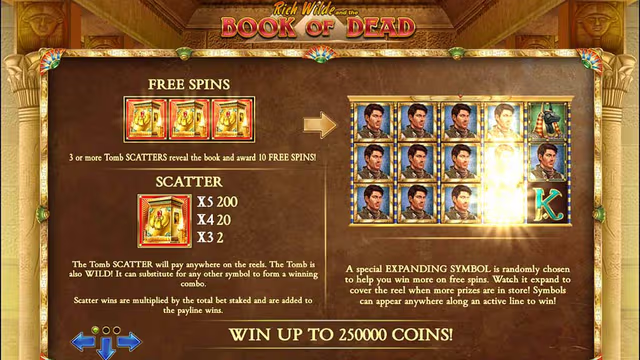
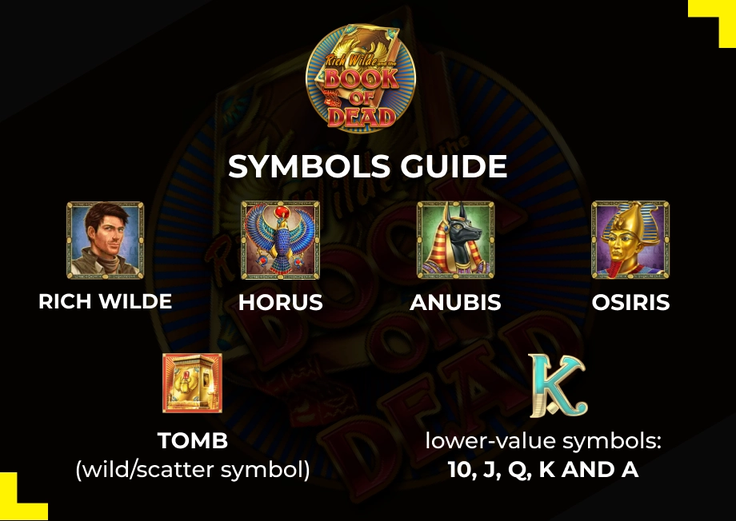
Mechanics And Symbols: What To Observe

Imagine you start the game and don't understand why an event was triggered. You doubt, you click everywhere, and the experience becomes confusing. The right reflex is the opposite: observe the game's signals, then adjust only one setting at a time.

Start by looking at readability: symbol size, animation speed, message clarity. Then, identify the "key" moments of the game: when the game changes pace, when a particular effect appears, and how it displays winnings. It's not a lesson, it's a mind map.

Another thing deserves your attention: fatigue. Some slots are enjoyable for five minutes then exhausting due to constant stimuli. If you're on mobile, this fatigue comes faster. In this case, shorten the session and slow down the pace, rather than increasing the bet to "wake up" attention.

Finally, keep a test rule: you don't judge a game on a single emotion. You judge it on a mini-process: a few spins, a break, then a decision. This discipline changes everything, especially when you switch to real money.

Perceived Volatility And Bet Management

Imagine you start with a comfortable bet, then a series without events irritates you. The temptation is to increase it "to make things happen." At the moment, it looks like a strategy, but it's often a reaction.

The solution is simple: a base bet per session block. You play a first block with a stable bet, take a break, then decide if you continue. If you want to change, you change only one variable: the bet or the speed, not both.

This method gives you an honest reading of the game. You know if you enjoy the pace as it is, or if you need to "force" it. And if you have to force it, that's a useful signal: maybe this title isn't right for your mood today.

Bonus Feature: Test Without Getting Carried Away

Imagine you're waiting for a special feature like waiting for a delayed bus. The longer you wait, the more tense you get, and the more you play "just to see." That's when a test becomes a trap.

To avoid this, set a clear goal: "I'll test for 15 minutes, in three blocks, and I'll stop no matter what." You're not trying to trigger an event at all costs, you're trying to understand how the game signals its highlights and how you react when it's delayed.

If you feel your heart rate rising or your clicking becoming nervous, take a break. Not later, right away. The pleasure doesn't disappear with the break - it's the impulse that disappears, and that's exactly what we want.

reviews image 2
Book Of Dead

Payments and Withdrawals: Routine to Avoid Surprises

Imagine you make a deposit, then a small addition, then another. After 30 minutes, you no longer know what corresponds to what, and your history looks like a puzzle. It's not a problem of luck, it's a problem of method.

The most effective routine is short: one deposit per session, one payment method per session, then a single history check. Then you play according to your plan. This simplicity reduces errors, and above all, it reduces decisions made under stress.

When it comes to withdrawal, the key point is the mental state. Many people request a withdrawal right after an emotional session, then worry as soon as the status doesn't change instantly. In this context, waiting becomes a trigger. The good practice is to make the request calmly, then check the status at defined times, not in a loop.

In France, access to the platform must remain within the framework of applicable rules and be reserved for adults. Concretely, this means: not “waiting while playing”, not multiplying operations “to test”, and using support in a structured way if a question arises.

Session Moment

Simple Action

Objective

Frequent Error

Reflex To Adopt

Before Depositing

Set budget and timer

Avoid improvisation

Deposit “to see”

Mentally written plan

Payment Choice

Keep one method

Readable history

Change along the way

One method per session

After Deposit

Check history once

Confirm the trace

Refresh in a loop

Single check then stop

During The Game

Play in blocks with a break

Cut the impulse

Speed up when it stagnates

Immediate Pause

Withdrawal Request

Make the request calmly

Reduce errors

Launch after tension

Wait off-game

Contact Support

One question, facts

Helpful answer

Vague and long message

Context + single question

Choose A Traceable Method Without Complicating Things

Imagine you're using a payment method you don't fully understand. You check the status, you doubt, then you repeat the action. This repetition is often the real source of the problem, not the payment itself.

Choose a method you know how to track, with a clear history. Then, stick with it for the entire session. Consistency prevents you from "tinkering" in the middle of a game, and tinkering is the fuel for errors.

If you're on mobile, be even stricter. A small screen, notifications, and a variable connection can create frustration. When frustration builds, you want to act. The rule here is simple: you wait, you check once, then you contact support if needed.

Deposit Only Once Per Session

Imagine you lose a bit and your brain suggests "a little top-up." This is rarely a real plan; it's a disguised emotion. A single deposit cuts off this spiral.

Break down your budget into mental parts. After each part, take a mandatory break. During the break, ask yourself: "Am I having fun, or am I compensating?" If you're compensating, you stop. If you're having fun and sticking to your plan, you continue without changing all your settings.

This rule has a positive side effect: you play cleaner. You're no longer managing money and the game at the same time. You manage beforehand, then you play.

Request A Withdrawal At The Right Time

Imagine you finish a tense session and want to "close" immediately. If you miss a step, you get annoyed, and you risk doing anything: changing methods, restarting, replaying "while waiting." That's where waiting becomes costly.

Make your request when you are calm. Then, choose a consultation rhythm: one check, then you do something else. If information is requested for your profile, complete it calmly. If you have a question, contact support with facts and a single question.

The best advice is counter-intuitive: don't play to wait. Wait off-game. You protect your budget and keep a clear head.

Book Of Dead

Security, Support And Account Settings

Imagine you're playing on a shared device and forget to log out. Nothing happens, but you carry unnecessary worry. Security is precisely for removing this mental noise: unique password, locked device, systematic logout.

Next, identify the control tools. Spending limits, time limits, pause, temporary blocking, self-exclusion if available - these are safety buttons for when you're no longer making decisions as clearly. They're not there to "punish," they're there to create space.

Support, on the other hand, works best when you use it properly. Imagine you write "it's not working." You'll often receive a generic response. If you write "I did X, I see Y, I want to know Z," you save time. One question per message, a precise context, and no multiple changes while waiting.

In France, within the framework of applicable rules and reserved for adults, responsible gaming is seen in these details: you have a plan, you know where the pause tools are, and you can stop when you decided to. That's true mastery.
reviews image 3

Session Strategy In 2026: Test, Play, Pause

Imagine you love the theme and want to “have a real session” right away. You deposit, you play, then you find yourself extending because you had no planned exit. The difference between a good time and a drawn-out evening is your session architecture.

Build a three-block plan. Block 1: getting started, stable stake, moderate speed. Block 2: normal play, always with the same stake. Block 3: conclusion, without escalation, and finishing on time. Between each block, a mandatory break. This break is to check your state, not your balance.

If you're on mobile, shorten it even more. Less time, more breaks, and a stricter exit rule. If you feel the urge to increase “to speed up,” you don't need technical advice: you need a break.

Gaming should remain entertainment. If you play to relieve tension, you are already in reaction mode. In this case, the responsible decision is to stop the session, or activate a temporary blocking tool if you feel you will return impulsively.

Three-Block Plan To Stay In Control

Imagine you start calmly, then after ten minutes you lose track. The block plan brings you back to one essential thing: natural stopping points. You are not obliged to “continue because you started.”

During each break, ask yourself two questions: “My tension level?” and “My desire to increase?” If tension rises or the desire to increase appears, you stop. If you are calm, you continue, but without changing all your settings at once.

This plan works because it's simple. And simplicity is what protects you when your brain looks for an excuse to prolong.

FAQ

How to choose a basic stake without putting pressure on myself?

Imagine you start with a stake that's too high “to get things moving,” then you feel obliged to compensate when the session slows down. Choose a stake that allows you to breathe, then keep it stable for a full block. If you adjust, do so only between two blocks, with a clear reason related to your budget or duration, not an emotional expectation. A comfortable stake makes the session more readable and reduces impulsive decisions.

How to organize a short session on mobile?

Imagine you open the game “just five minutes” and stay because you scroll, click, then lose track of time. Turn off notifications, start an external timer, and play in two small blocks separated by a break. Keep a moderate speed and a stable stake, then finish as soon as the timer rings, even if you want to extend. A successful mobile session is clean and deliberately finished.

How to avoid micro-deposits during an evening?

Imagine you add “a little extra” after a frustrating streak, then another, and your budget dissolves without you realizing it. Set a fixed budget and a simple rule: one deposit per session, no more. Divide this budget into mental parts with a break between each part, and if you feel the urge to compensate, you stop. This rule protects you especially when your mood changes.

What to do if I find myself speeding up?

Imagine your clicks become faster and you think less, because you want to “go fast” or “catch up.” This is an impulse signal, not a plan. Take an immediate break, change activity for a few minutes, then only return if you can resume your basic stake and speed. If the signal returns often, use a temporary block or a longer break to break the reflex.

How to manage a withdrawal waiting period without stress?

Imagine you refresh the screen every two minutes, tension rises, and you play again “while waiting.” Instead, choose a consultation rhythm: you check once, then you do something else. If a step is requested on your profile, you complete it calmly, then you recheck later. If you need to contact support, provide facts and a single question, and avoid changing multiple parameters while waiting.

How to contact support for a clear answer?

Imagine you write a vague message and receive a standard response, which makes you annoyed. Instead, send a structured message: what you did, what you see, the approximate time, the device used, then a single precise question. Do not perform multiple actions in parallel while waiting, otherwise you will confuse the situation. This method reduces back-and-forth and avoids decisions made out of frustration.

What signs indicate it's better to stop for today?

Imagine you start negotiating your own rules, extending after the timer, or changing the stake “to compensate.” These are clear signs of loss of control. Stop as soon as you play to fix an emotion, as soon as tension rises, or as soon as you look for a justification to continue. A clean end protects your next game: you will return more serene, with a plan, instead of staying in a session that goes off track.

Play Now
🇬🇧 English